Do You Need a Chiller? Run the Math Before the Compressor
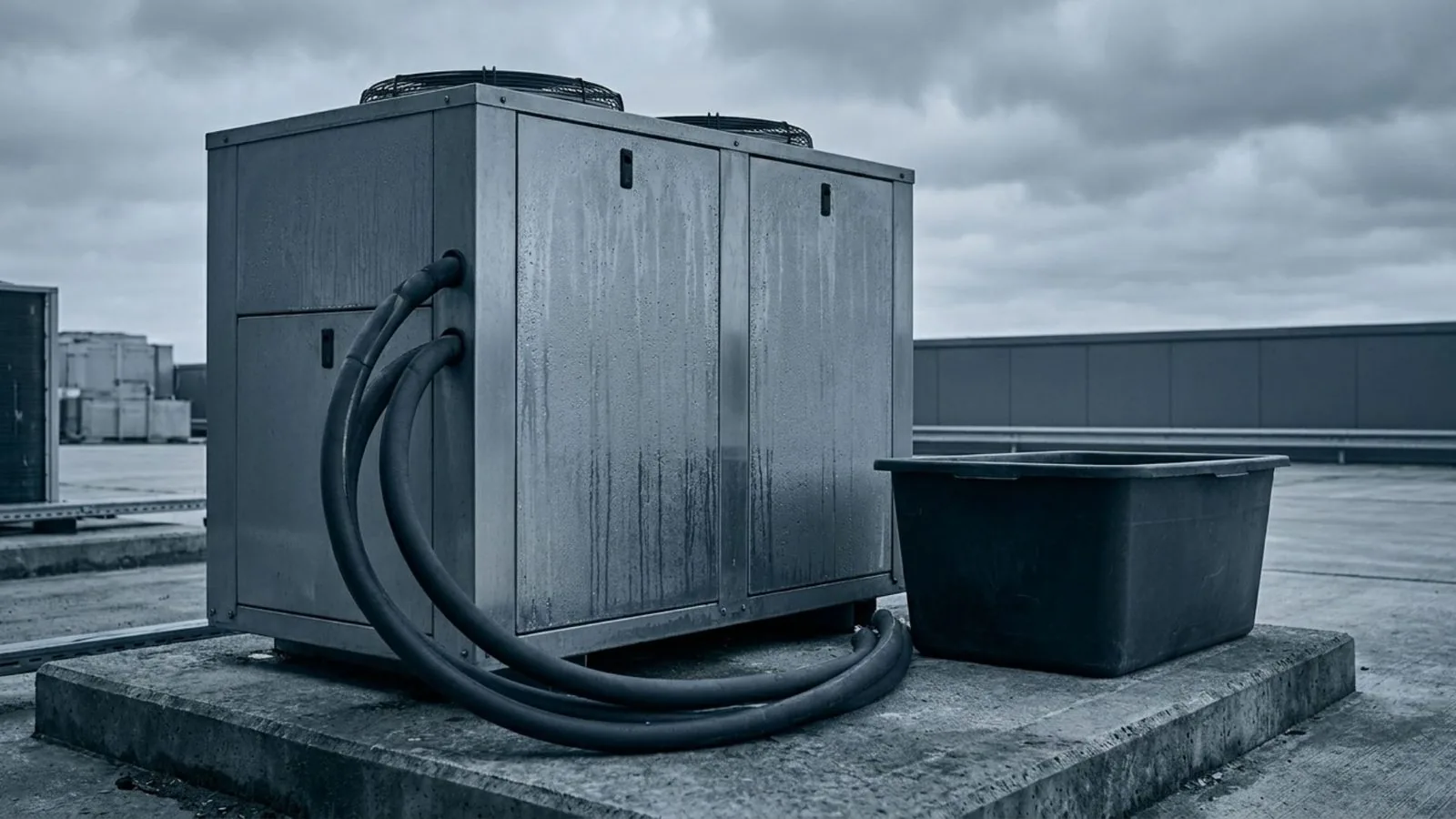
A chiller is a refrigeration unit that circulates your plunge water and holds it at a set temperature. It is the single most expensive line in most cold plunge budgets, and whether it's worth it comes down to arithmetic most sales pages would rather skip. Let's do the arithmetic.
What Cold Actually Costs Without One
Your tub gets cold three ways: tap water and climate (free, unreliable), bagged ice (reliable, never stops costing), or frozen jugs you rotate through your freezer (free, low capacity, high faff).
The ice numbers: dropping ~80 gallons of summer tap water into the protocol zone takes roughly 60 to 100 lbs of ice, call it $15 to $25 a session at grocery prices. Insulated tubs that hold cold between sessions cut the refill cost hard; uninsulated ones make you start over every time.
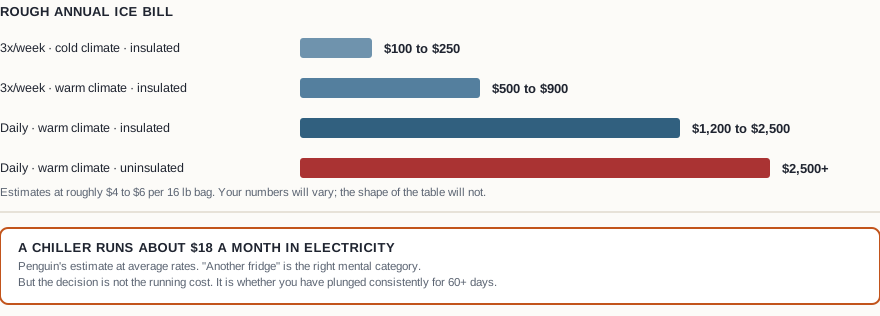
| Habit | Climate | Tub | Rough annual ice bill |
|---|---|---|---|
| 3x/week | Cold (winter half the year) | Insulated | $100 to $250 |
| 3x/week | Warm | Insulated | $500 to $900 |
| Daily | Warm | Insulated | $1,200 to $2,500 |
| Daily | Warm | Uninsulated | $2,500+, and you'll quit first |
What a Chiller Costs
- Plunge Chill tub + chiller package: $569 ($659 for the MAX), the cheapest complete chilled setup we've found from any brand, full stop. The standalone chiller is $499 with a 600W compressor that takes water to 42°F with continuous circulation and filtration, and their FAQ confirms it pairs with other brands' tubs, so it can retrofit a tub you already own. A 1HP version runs $1,099 for faster pull-down. Caveats: 42°F is the floor (Penguin reaches 37°F), the warranty is 1 year, and the brand is new enough that long-term reliability is unproven. Note the name: Plunge Chill is not Plunge, the premium tub company below; different outfit entirely.
- Nurecover Pod + PodChiller bundle: $697, the cheapest branded tub-plus-chiller package we know of, and 20% less with code TYSON82188. The chiller claims to hold water at 40°F. The caveat is track record: Nurecover is a younger company than Penguin and its site is heavy on sale theater, so weigh the warranty terms (1 year) against the price gap yourself. Details in the main guide.
- Penguin Chillers barrel chiller kit: $2,200, chiller and connection kit only, tub sold separately, from an established company. Chills to 37°F. Pairs with a barrel or a tub you already own; check current price, Penguin rotates aggressive discount codes.
- Plunge systems: $8,490 to $9,990 with the chiller integrated, covered in the main guide.
- Running cost: Penguin's estimate is about $18/month at average electricity rates for a maintained insulated tub. Real-world numbers scale with your climate and set point, but "another fridge" is the right mental category.
- The DIY chest freezer is the $300 outlaw version of a chiller, with rules attached: see the budget setups page.
The Four Questions That Decide It
1. Have you plunged consistently for 60+ days? No: stop reading, buy ice. The chiller decision doesn't exist until the habit does.
2. Is your climate warm most of the year? Warm climate + real habit is the strongest chiller case there is. Cold climate, your backyard is the chiller from November to March.
3. Are you plunging 4+ times a week? At daily frequency in a warm climate, a $2,200 Penguin chiller kit pays for itself against ice in 12 to 18 months. At twice a week in Vermont, it never does.
4. Is the ice run itself killing your consistency? Be honest. If you've skipped sessions because the freezer was empty, the chiller isn't a luxury, it's the price of the habit. That's a legitimate purchase. Friction kills practices; we said it on the gear page and it's truest here.
If the Answer Is Yes
The budget race now has two entrants. Plunge Chill's tub + chiller at $569 is the lowest complete-package price on this page, and its $499 standalone chiller is the cheapest retrofit path for a tub you already own, including an Ice Barrel 500 or a Cold Pod you're upgrading. Nurecover's Pod + PodChiller bundle at $697 before the 20% code competes closely and claims a colder 40°F floor. The established-value pick is still the Penguin Chillers barrel chiller kit: coldest water (37°F), longest pedigree, $2,200 plus a tub. Any of the three keeps thousands versus a Plunge; between the two budget options, pick on floor temperature and stock, and treat both warranties (1 year each) as the real price of the discount.
Check Plunge Chill price Check Nurecover bundle price (code TYSON82188) Check Penguin Chillers price Check Plunge priceIf the Answer Is No
Good. You just saved two grand. Spend $30 of it on the accessories that actually matter, keep a routine of frozen jugs cycling through the freezer, and revisit this page next summer when the habit has a year on it. The water doesn't care how it got cold.
One Spec Note Before You Buy Any Chiller
Chillers are rated in horsepower and BTU. What the ratings hide: pull-down time (how fast it cools a fresh fill) is where weak chillers embarrass themselves, and maintenance temperature is where almost all of them are fine. If you fill fresh weekly, buy more horsepower than the marketing says you need. If you maintain the same water with filtration, the smaller unit is usually enough. And whatever you buy plugs into a GFCI outlet, per the safety page, with no exceptions for brand names. One spec nobody prints and everybody should ask about: what the heat exchanger is made of. Titanium and cupronickel tolerate chlorine; copper-brazed plate exchangers generally do not, and that single detail decides which chemicals you're allowed to use for the life of the unit. We learned it the slow way on the white water mold page.