Cold Plunge Temperature and Time Chart
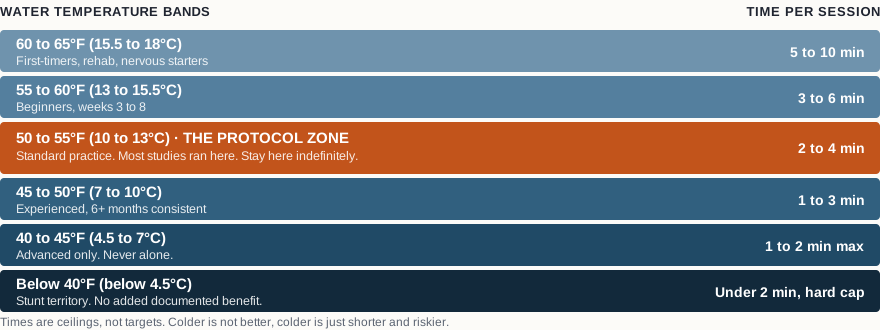
One chart, no scrolling through a podcast transcript. Times are per session. The research sweet spot is the 50 to 59°F band, and almost everyone should live there. Colder is not better. Colder is just shorter and riskier.
| Water temp | Feels like | Time per session | Who it's for | Notes |
|---|---|---|---|---|
| 60 to 65°F (15.5 to 18°C) | Uncomfortable, manageable | 5 to 10 min | First-timers, rehab, nervous starters | A real entry point. Mild stimulus, very low risk. |
| 55 to 60°F (13 to 15.5°C) | Sharp at entry, settles fast | 3 to 6 min | Beginners, weeks 3 to 8 | Where new plungers should start immersion. |
| 50 to 55°F (10 to 13°C) | A slap, then heavy cold | 2 to 4 min | Standard practice | The protocol zone. Most studies ran here. Stay here indefinitely. |
| 45 to 50°F (7 to 10°C) | Hostile | 1 to 3 min | Experienced, 6+ months consistent | Benefit curve is flat vs 50 to 55°F. Risk curve isn't. |
| 40 to 45°F (4.5 to 7°C) | Painful | 1 to 2 min max | Advanced only | Numb hands and feet fast. Never alone. |
| Below 40°F (below 4.5°C) | Ice water | Under 2 min, hard cap | Stunt territory | No added documented benefit vs the protocol zone. All added risk. |
The Weekly Dose
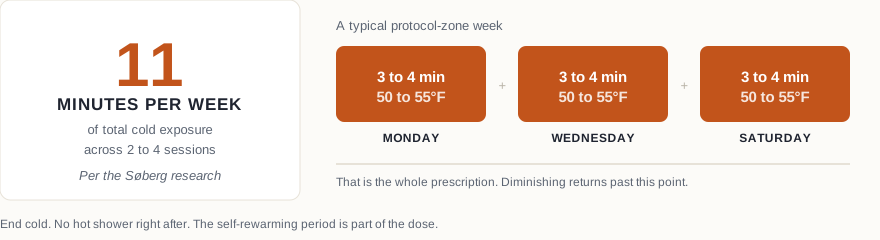
Per the Søberg research: roughly 11 total minutes of cold per week, split over 2 to 4 sessions, with diminishing returns past that. A typical week in the protocol zone looks like three sessions of 3 to 4 minutes. That's the whole prescription. The full protocol covers progression between bands.
Three Rules That Override the Chart
- Time caps assume you're calm. If your breathing never settles, get out. The chart is a ceiling, not a target.
- Shivering hard in the water means you're done, whatever the clock says. Uncontrolled shivering is your thermoregulation falling behind.
- End cold. No immediate hot shower. The self-rewarming period is part of the dose. Exception: structured contrast therapy.
Measure, Don't Guess
Humans are terrible water thermometers, and "tap cold" ranges from 45°F in a Montana winter to 75°F in a Phoenix summer. A floating thermometer costs about the same as two bags of ice and removes all the guessing. It's the first thing on our short accessories list. If you're still deciding what to plunge in, start at the budget setups page before looking at anything with a compressor.
Get this chart as a printable PDF
The chart, the weekly dose, and the safety rules on one sheet. Print it and put it where the water is.
Download the protocol PDFCommon Temperature Questions
- Is 60°F too warm to count?
- No. It's a lighter stimulus, but studies have shown effects at 60°F and even above with longer durations. For building the habit, 60°F for 8 minutes beats 45°F for never.
- Is 39°F dangerous?
- It's the bottom of what home chillers produce, and for a conditioned person doing 1 to 2 minutes with someone nearby, it's tolerable. But nothing in the research says it beats 50°F. You're buying pain, not progress.
- Does the time include getting in slowly?
- Start the clock when your shoulders are under. Entry should take seconds anyway. Lowering yourself in over two minutes is two minutes of dread for no credit.